Warning Signs You Can't Ignore in Jacksonville Nursing Homes
When someone you love moves into a nursing home, you expect they will be safe and cared for. So when injuries or sudden health changes start to happen, it can be hard to know if it is part of aging or a sign that something is wrong with their care.
A "nursing home injury" is more than a broken bone. It can include falls, bedsores, sudden medical decline, unexplained infections, malnutrition, dehydration, or medication problems. Families often accept the first explanation they hear, especially if staff says "these things just happen." But some of these injuries are early clues that neglect or abuse may be going on.
Acting quickly can make a big difference. Medical records can be changed, staff can leave, and memories can fade. That is why paying attention now, before life gets busier in the fall, can help protect your loved one and preserve evidence. A nursing home abuse lawyer in Jacksonville, NC, can help families sort out what they are seeing and decide if the situation points to legal negligence.
Physical Changes That Point to Possible Neglect or Abuse
The first warning signs often show up on the body. Some injuries are obvious. Others are easy to overlook if you are not sure what you are looking for.
Visible injuries you should not ignore include:
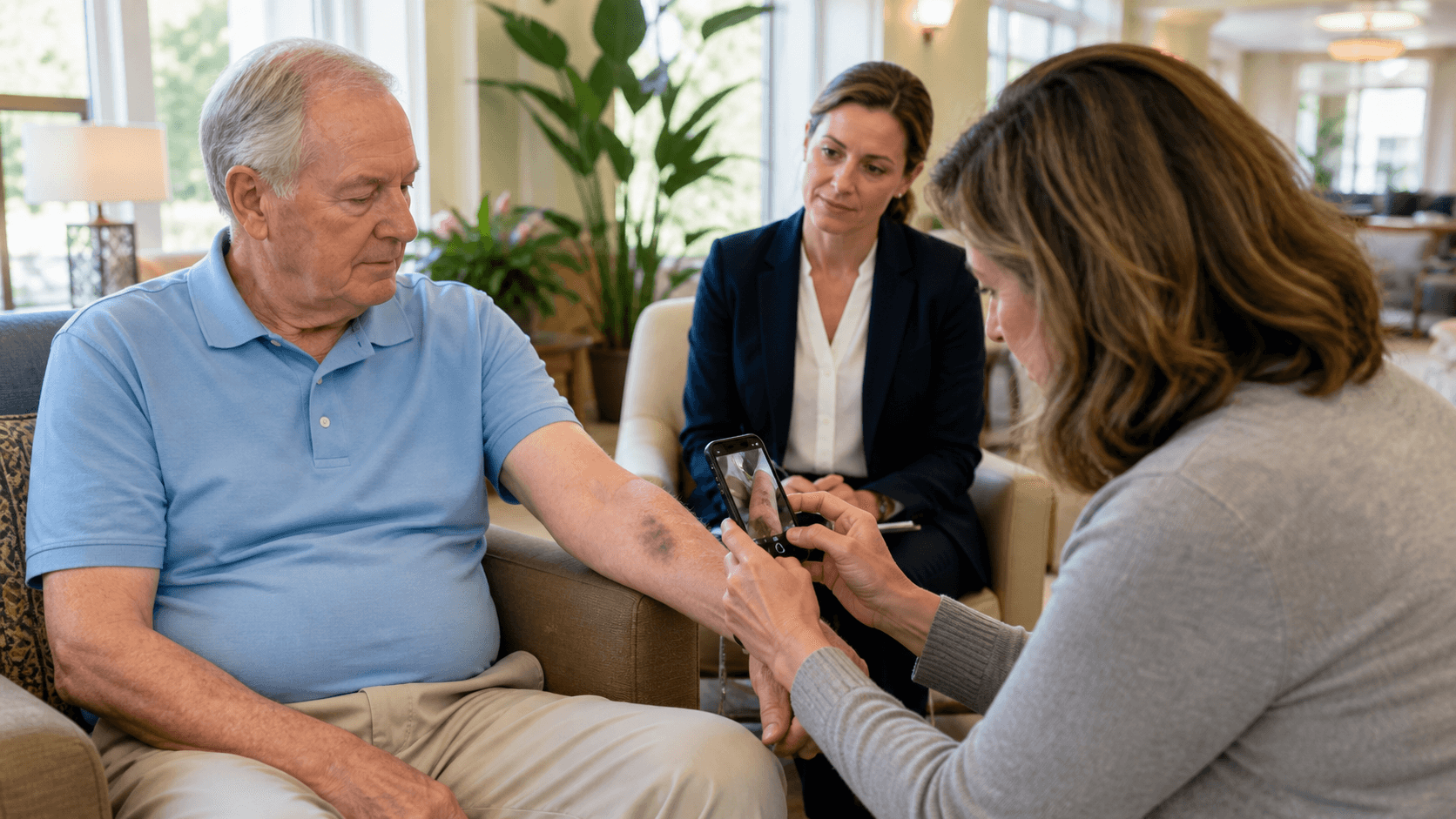
- Bruises in strange places or in repeat spots
- Cuts, burns, or scrapes that staff cannot explain clearly
- Broken bones or head injuries from reported "minor" falls
- A pattern of frequent falls with changing stories about what happened
If you hear several different versions of how your family member got hurt, that can be a red flag. It may mean staff are not watching closely enough, or they are trying to cover up unsafe conditions.
There are also "hidden" physical warning signs that can point to neglect:
- New or worsening bedsores on the back, heels, hips, or tailbone
- Fast weight loss, loose clothing, or a very dry mouth and lips
- Frequent urinary tract or chest infections
- Dirty nails, strong body odor, or the same soiled clothes over and over
- Complaints of pain that do not seem to get treated
These can show that your loved one is not being turned in bed, not getting enough food or fluids, or not receiving basic hygiene and medical care.
In Jacksonville and coastal North Carolina, weather can add more clues. During late summer heat and storm season, watch for:
- Signs of heat stress, like heavy sweating, confusion, or flushed skin
- Residents left in wet or soiled clothing during hot afternoons
- Unsafe conditions during storms, like residents left in dark halls or near water leaks
These conditions may point to understaffing or poor emergency planning, which can be forms of neglect when they put residents in danger.
Emotional and Behavioral Shifts Families Should Watch
Injuries are not only physical. Big changes in mood or behavior can also be early signs that something is wrong inside the nursing home.
Watch for sudden shifts such as:
- A social person becoming very quiet or withdrawn
- New fearfulness or nervousness when certain staff are around
- Sudden agitation, yelling, or crying that was not there before
- Signs of depression, like not wanting to get out of bed or eat
If you notice these changes seem to get worse when a specific staff member is on duty, that pattern matters.
There are also verbal and nonverbal red flags, including:
- Your loved one begging you not to leave them alone
- Flinching, pulling away, or guarding their body when touched
- Saying they are "in trouble" or "afraid," but not able or willing to say why
- Residents with dementia becoming very upset at certain times of day or during care tasks
These reactions can be a way of telling you that they do not feel safe, even if they cannot explain it in clear words.
It helps to write down what you see and hear. Simple steps like:
- Keeping a notebook with dates, times, and what happened
- Writing down who was on staff when an incident occurred
- Saving photos or short videos when it is appropriate and respectful
This kind of record can later help a Jacksonville, NC attorney connect emotional changes to patterns of abuse or neglect.
Paperwork, Policies, and Stories That Don't Add Up
Sometimes the strongest clues show up in the records and the way the facility handles information. If the paperwork does not match what you see, it may be a sign of bigger problems.
Administrative warning signs include:
- Missing or very short care notes that do not match your loved one's needs
- Medication lists that change without a clear reason or explanation
- Fall reports that leave out key details or seem copied and pasted
- Long delays before you are told about an injury or trip to the hospital
Pay attention to how staff respond when you ask questions. You may notice:
- Evasive answers or no one able to give a straight story
- Different staff members telling you different versions of the same event
- Efforts to keep you from visiting in private
- Comments that make you feel guilty for asking to see records
When stories change or records look off, it can be a sign that the nursing home is trying to protect itself instead of your loved one. These are moments when speaking with a nursing home abuse lawyer in Jacksonville, NC, for a free case review can help you understand your options, especially before staff move on and key witnesses leave at the end of summer.
When to Call a Jacksonville Nursing Home Abuse Lawyer
Many families worry about "overreacting" or "making trouble." But waiting too long can put your loved one at more risk and can hurt any future legal claim.
You should strongly consider contacting a lawyer if you see:
- Any serious injury that requires hospital care
- Repeated injuries, even if each one seems "small" on its own
- Fast health decline without a clear and documented medical reason
- Any sign of sexual abuse or inappropriate touching
- A death that is called "natural" or "unexpected" without a clear explanation
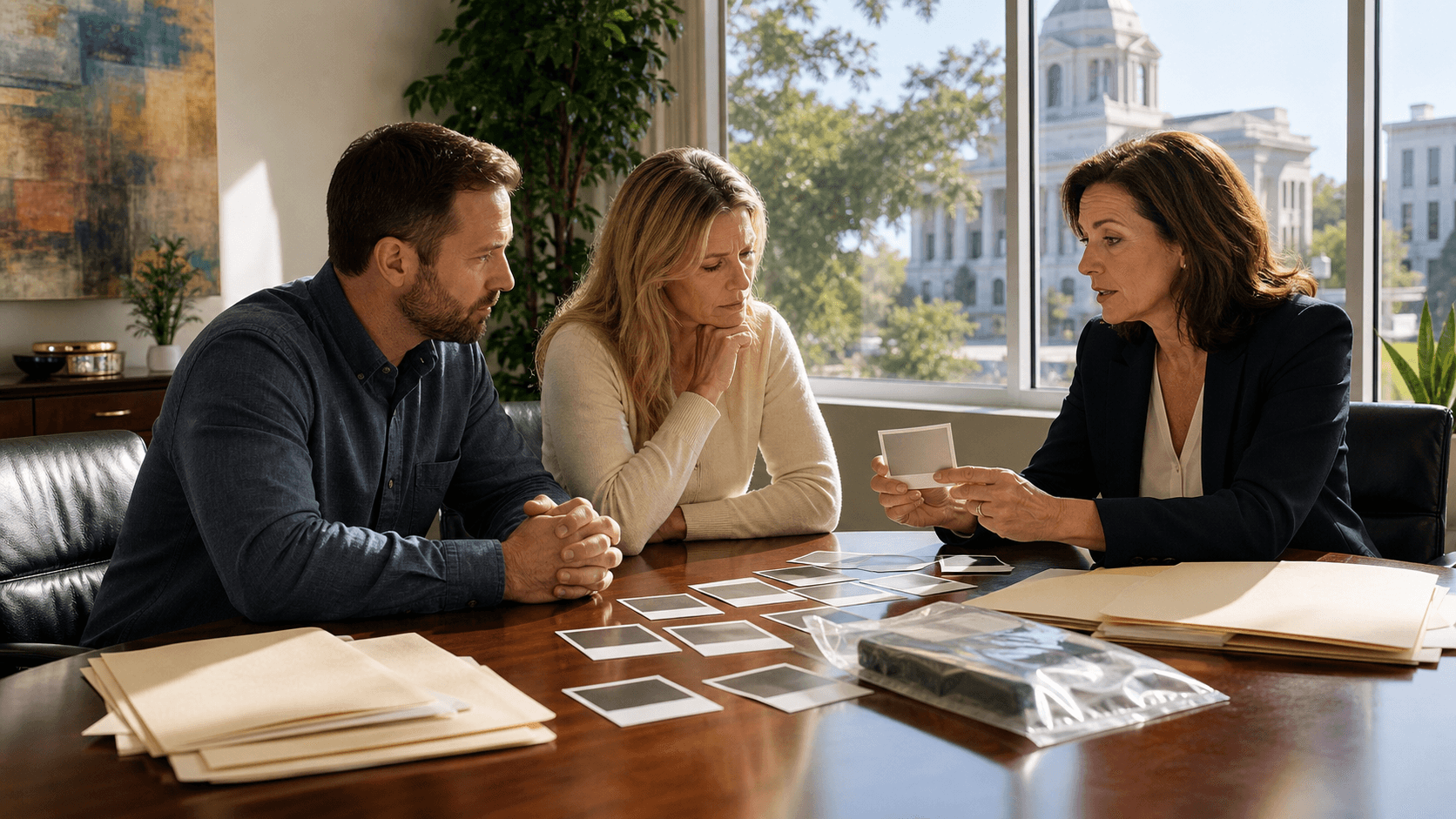
A local nursing home abuse lawyer in Jacksonville, NC, can step in early to:
- Request and review medical and facility records
- Work to preserve surveillance video and other key evidence
- Interview staff and other witnesses while memories are still fresh
- Consult with medical experts about whether care met accepted standards
Taking action in late summer can help you stay ahead of busy school schedules, shorter visit times, and holiday travel. It also gives more time to uncover what really happened while evidence is still available.
Next Steps to Protect Your Loved One and Their Legal Rights
If you are worried that a nursing home injury or behavior change might be a sign of neglect or abuse, you do not have to figure it out alone. There are clear steps you can take right away to protect both safety and legal rights.
A simple action list includes:
- Document what you see with dates, times, notes, and photos
- Ask direct questions and write down the answers you receive
- Request copies of care plans, medication lists, and incident reports in writing
- Raise your concerns with nursing home management and, when needed, state regulators
- Speak with a Jacksonville nursing home attorney promptly about what you are seeing
North Carolina law sets deadlines for filing injury and wrongful death claims. Waiting too long can make it harder to bring a case and can limit the compensation that may be available for medical bills, pain and suffering, and other losses. Early legal guidance can also help you decide whether your loved one should be moved to a safer place and how to do that in a way that supports any future claim.
At King Law Firm, we know how frightening it is to suspect that a nursing home in Jacksonville has failed someone you care about. Our role is to listen, review the facts under North Carolina law, and help you develop a plan to keep your loved one safe as the seasons change.
Protect Your Loved One's Rights And Safety Today
If you suspect neglect or mistreatment in a facility, speak with an experienced nursing home abuse lawyer in Jacksonville, NC as soon as possible. At King Law Firm, we carefully review what happened, explain your options, and take action to hold negligent facilities accountable. We offer confidential consultations so you can understand the next steps without added stress. To get started, please contact us and we will respond promptly.