Why Evidence Can Make or Break Your Claim
After a pedestrian accident in Jacksonville, it often comes down to two different stories. The driver says you stepped out without looking. You remember the car coming too fast and not slowing down. When it is your word against the driver, evidence is what tips the balance in your favor.
Our area has a lot of traffic from the beaches, Camp Lejeune, and coastal routes. In the summer, more visitors, more cars, and more people walking near busy roads all mean more chances for conflict between vehicles and pedestrians. When streets are crowded and everyone is in a hurry, having clear proof of what really happened becomes even more important.
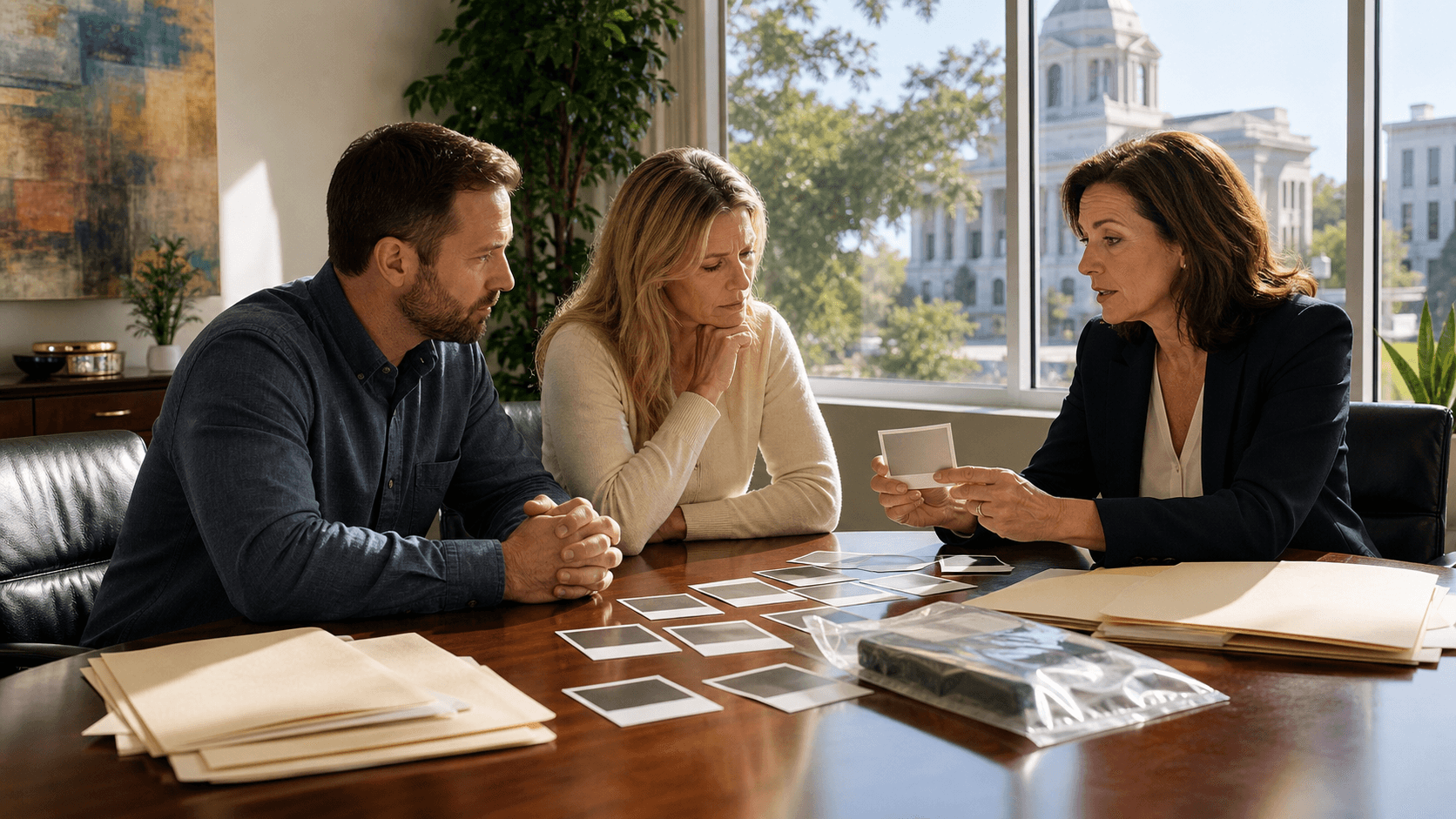
A pedestrian accident lawyer in Jacksonville, NC, can start protecting that proof right away. From the first day, a lawyer can look for records, track down witnesses, and help you avoid mistakes that might weaken your claim later.
Common Evidence Gaps After Jacksonville Pedestrian Crashes
Pedestrian crash scenes change fast. On a busy Jacksonville intersection, a highway to the beaches, or a road near the base, things do not stay the same for long. Within minutes, traffic moves again, debris gets pushed aside, and skid marks start to fade.
Some of the most common evidence problems include:
- Skid marks and debris cleaned up before anyone documents them
- Witnesses leaving without giving names or contact details
- Police reports that are brief or unclear about fault
- No photos or video of the scene or the vehicles
Medical records can also have gaps. Emergency rooms focus on keeping you safe, not on your future claim. Important details can be missing, like:
- How hard the impact felt
- Exactly which body parts hurt right away
- Limits in your movement or ability to walk
Insurance adjusters often use these gaps to their advantage. If there are no clear photos or strong witness statements, they may argue that you stepped off the curb without looking, stared at your phone, or crossed against the light. Their goal is to shift blame away from the driver and onto you, because that can reduce or end your right to compensation under North Carolina law.
Proving Driver Fault When No One Wants to Talk
After a crash, many people do not want to get involved. Drivers and passengers may worry about tickets or higher insurance rates. Bystanders may fear missing work, going to court, or dealing with calls from lawyers and insurance companies.
That silence can make it hard to prove what the driver did wrong. A pedestrian accident lawyer in Jacksonville, NC, can help by:
- Locating witnesses through police reports, nearby businesses, or door-to-door contact
- Interviewing them in a calm, structured way so their memories are recorded
- Using subpoenas if needed to obtain statements or records
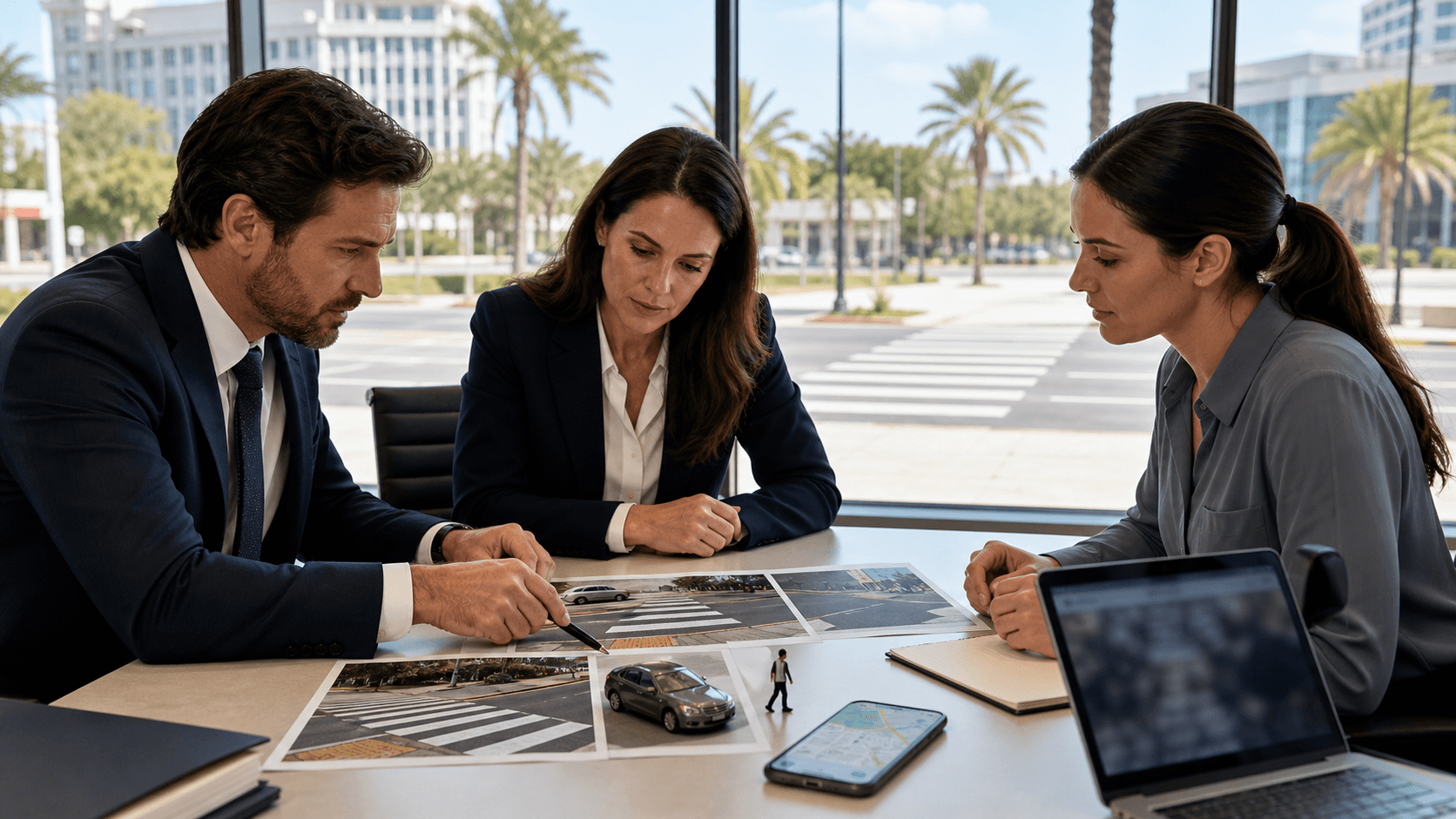
We can also bring in accident reconstruction experts when appropriate. These professionals use physical clues, such as damage to the vehicle, road marks, and medical records, to piece together how the crash happened.
Corroborating evidence can be powerful, even when people will not talk much. Helpful sources can include:
- 911 recordings that show how events were described right after the crash
- Records of prior traffic violations by the driver
- Cell phone records showing possible texting or calls at the time of impact
- Social media posts that do not match the driver's version of events
When these pieces are put together, they can strongly support your account of what happened.
Video, Digital Data, and Weather
Some of the best evidence is hidden in plain sight. Jacksonville has many potential video sources that might have caught part of your accident:
- City traffic cameras at intersections
- Security cameras at stores, gas stations, and banks
- ATM and parking lot cameras
- Home doorbell cameras aimed toward the street
- Dash cams from other drivers
These systems often record over old footage, sometimes within days. Acting quickly is important if you want a chance at saving these clips.
Digital data can also help show what happened. Useful sources might include:
- Vehicle data recorders, sometimes called black boxes, which can show speed or braking
- GPS and app location data from phones, which can show where people were and how fast they were moving
- Fitness trackers that record steps, distance, and activity just before the crash
Weather and road conditions also matter. Summer storms, bright sun, longer daylight, and road construction zones around Jacksonville can all affect visibility and stopping distance. Records like:
- Weather reports for the time of the crash
- Sun angle charts for glare issues
- Construction logs and sign placement
can help answer questions about what a careful driver should have seen and how they should have responded.
Medical Proof and Fighting Claims of Shared Fault
Medical proof is more than a list of injuries. It is the bridge that links the crash to your pain, your limits, and your future. Getting checked as soon as possible, going to follow-up appointments, and being honest about your symptoms all help build that bridge.
North Carolina has a strict contributory negligence rule. If an insurance company can show that you were even a little at fault, they may argue that you should get nothing. For pedestrians, this often leads to claims that you:
- Crossed outside a crosswalk
- Did not look both ways
- Wore dark clothes at night
- Were distracted by your phone or headphones
Detailed medical records can push back on arguments that your injuries were minor, preexisting, or caused somewhere else. Helpful documentation includes:
- ER records that note what you reported right away
- Office visit notes describing pain levels and limits in movement
- Physical therapy notes showing ongoing impact on daily tasks
- Expert medical opinions about long-term effects and needed care
When your medical story is clear and consistent, it is harder for an adjuster to downplay what you are going through.
How a Jacksonville Lawyer Protects Evidence
Time is not your friend after a pedestrian accident. A lawyer can step in early to protect evidence before it disappears. Some key steps include:
- Sending preservation letters so businesses and agencies keep camera footage
- Asking that vehicle data be saved before cars are repaired or totaled
- Getting photos and videos of the scene, damage, and your visible injuries
We also work with investigators, accident reconstruction experts, and medical professionals to fill any holes in the story. The goal is to create a clear, step-by-step narrative: where you were walking, how the driver approached, what they should have seen, and how their choices led to the impact.
At the same time, we manage communication with insurance companies. Adjusters may push for recorded statements or signed medical releases early on. Saying the wrong thing, guessing about details, or giving wide access to your health history can weaken your evidence. Having a lawyer speak for you reduces those risks and helps keep the focus on facts that truly matter.
Protecting Your Jacksonville Pedestrian Claim Going Forward
If you were hit as a pedestrian, you may feel overwhelmed and unsure where to start. You do not have to solve every problem on your own, but there are simple steps that can help protect your claim while legal work moves forward.
Helpful actions include:
- Getting follow-up medical care and explaining all your symptoms
- Saving any photos, videos, or damaged clothing from the crash
- Keeping an injury journal, noting pain levels and activities you struggle with
- Being careful about posting on social media about your accident or your daily activities
Those small choices can make a big difference in how strong your evidence looks months later. They help support the work a pedestrian accident lawyer in Jacksonville, NC, can do to build a clear, persuasive picture of what happened and how it changed your life.
Protect Your Rights After A Pedestrian Accident
If you were hit by a vehicle while walking, you should not have to navigate insurance companies and legal deadlines on your own. At King Law Firm, our experienced pedestrian accident lawyer in Jacksonville, NC can review what happened, explain your options, and pursue the full compensation you may be entitled to. We will handle the legal work so you can focus on your medical treatment and recovery. To schedule a free consultation, please contact us today.