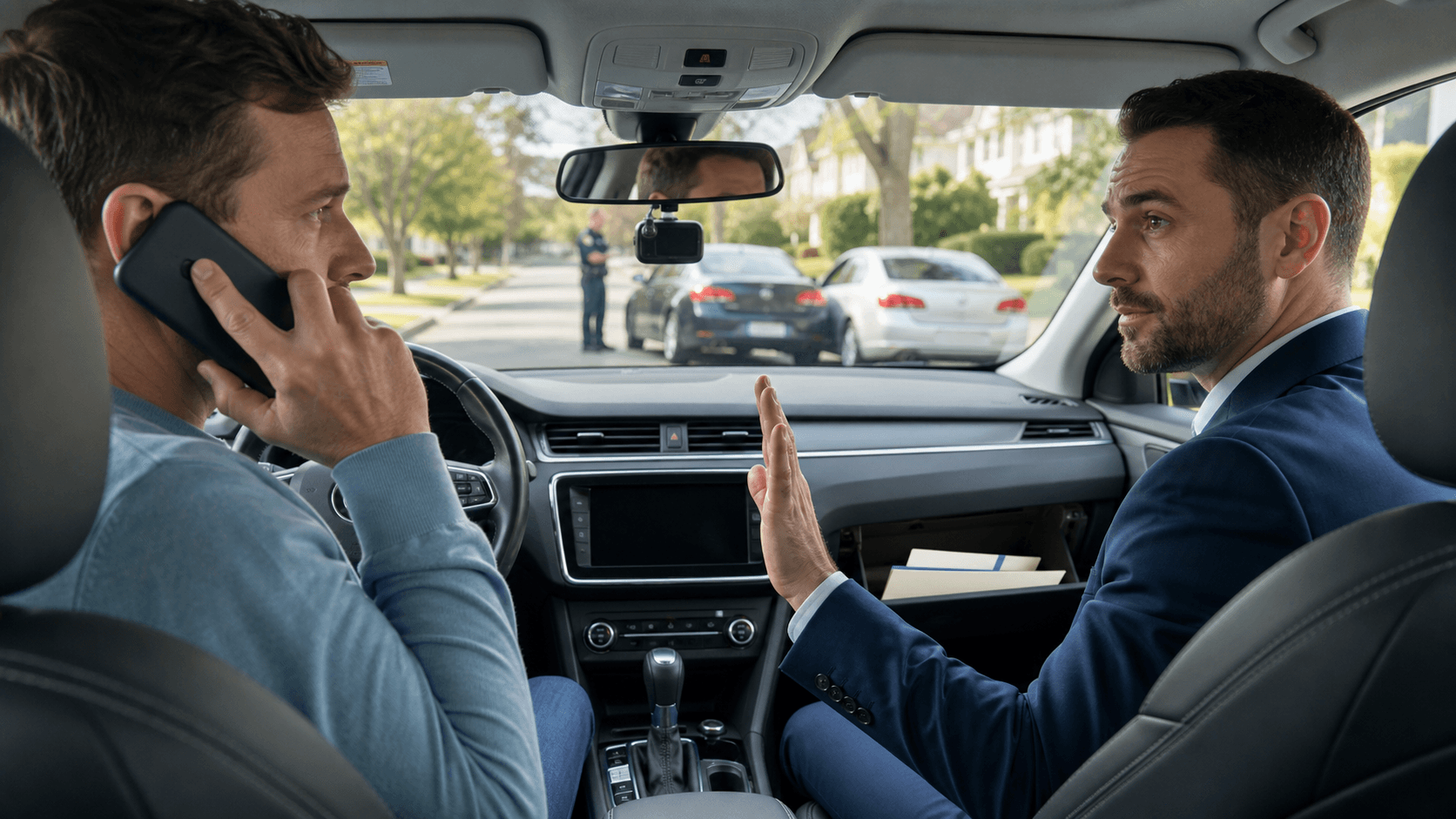
Summer driving around Camp Lejeune and Jacksonville gets busy fast. More cars, more beach trips, more people moving in and out of the base, and more visitors on the road all increase the chances of a wreck. When you mix heavy traffic with heat, storms, and holiday weekends, one bad choice behind the wheel can lead to serious injuries.
In this guide, we talk about the most common summer driving hazards in the Camp Lejeune and Jacksonville area, what to do if you are hurt in a crash, and how a local car accident lawyer in Jacksonville, NC, can help protect your rights. Our goal is to give you clear, practical steps so you and your family know what to watch for and what to do next if something goes wrong.
Stay Safe on Summer Roads Near Camp Lejeune
Summer is often the most dangerous driving season in and around Jacksonville. There is simply more going on. You see:
- Families heading to Topsail, Emerald Isle, and other beaches
- Military families arriving, departing, or moving between housing and the base
- Tourists in rental cars trying to follow GPS directions
- College students and young drivers on break
The mix of local drivers, service members, and out-of-state visitors means many people on the road are unfamiliar with:
- Base access points and gate traffic
- Coastal highways like US 17 and NC 24
- Beach routes, turn lanes, and less-marked side roads
We want you to understand the biggest risks, how to respond after a crash, and when it may be time to get legal help so you are not left dealing with insurance problems on your own.
Summer Traffic Risks Around Camp Lejeune
When summer hits, traffic builds quickly on the main routes around Jacksonville and Camp Lejeune. Roadways like US 17 and NC 24 carry local traffic, base traffic, and beach traffic all at the same time. That mix often leads to:
- Rear-end collisions in stop-and-go backups
- Sideswipes and lane-change crashes when drivers weave between lanes
- Sudden stops near popular intersections and shopping areas
Base-related traffic can add another layer of stress. During peak hours, gates can back up as people report for duty or head home. Drivers may:
- Rush to get to formation or work on time
- Cut across lanes trying to reach the right gate or entrance
- Follow too closely in long lines of vehicles
Out-of-town visitors and new arrivals may not know where they are going. Many depend on GPS and may:
- Slow down suddenly while trying not to miss a turn
- Drift across lanes while looking at directions
- Miss signs for turn lanes or base entrances
All of this makes it more likely that a split-second mistake will cause a crash.
Heat, Storms, and Nighttime Driving Dangers
North Carolina summers can be hot and humid, and that heat is tough on vehicles. Drivers who do not keep up with routine maintenance before a long drive may find that:
- Old or underinflated tires are more likely to blow
- Engines overheat in slow holiday traffic
- Brakes do not perform well on long, hot drives
Afternoon thunderstorms can roll in quickly. One minute the road is dry, and the next there is heavy rain and standing water. That can cause:
- Hydroplaning when tires lose contact with the pavement
- Poor visibility, especially on bridges and open stretches of highway
- Chain-reaction crashes when drivers cannot see stopped traffic ahead
Nighttime brings its own risks. After long days at the beach, cookouts, or nights out in Jacksonville, some drivers get behind the wheel when they should not. Summer nights often mean:
- Drunk or impaired drivers who drift between lanes or run red lights
- Fatigued drivers heading home after late weekend trips
- Speeding on less crowded roads where drivers feel too comfortable
Any of these conditions can turn a normal trip into a serious wreck without much warning.
Holiday Weekends and Tourist Season Crash Hotspots
Holiday weekends like Memorial Day, the Fourth of July, and Labor Day can be especially dangerous around Camp Lejeune and nearby beaches. Traffic surges as:
- Service members and families enjoy time off
- Tourists come into town for the long weekend
- Locals head to the water, boat ramps, and waterfront events
On these weekends, we often see more:
- Aggressive driving and road rage in heavy traffic
- Speeding on highways and bypass routes
- Impaired driving, especially late at night
Common crash hotspots around Jacksonville and the base include:
- Busy intersections near shopping centers and restaurant areas
- Routes to beach access points and boat ramps
- High-speed stretches of highway where out-of-town drivers misjudge merges or exits
You also have a mix of different vehicles sharing the road:
- Small cars and motorcycles
- RVs and rental SUVs
- Pickup trucks hauling boats or trailers
- Military vehicles entering or exiting near the base
Each type of vehicle has different blind spots and stopping distances. When people are impatient or not paying attention, those differences can turn into serious collisions.
What to Do After a Summer Crash Near Camp Lejeune
If you are hurt in a wreck, the steps you take right away can affect your health and any future claim. Try to:
- Get to safety
Move out of the flow of traffic if you can do so safely. Turn on hazard lights.
- Call 911
Report the crash, ask for law enforcement, and request medical help if anyone is in pain or cannot move.
- Get medical evaluation
Even if you feel "okay," let a medical professional check you. Some injuries show up hours or days later.
- Move vehicles only if safe and allowed
In some situations, you may need to leave vehicles where they are until officers arrive. Follow the directions of law enforcement.
- Document the scene
If it is safe, take photos or videos of:
- Vehicle damage
- Skid marks and debris
- Road signs, signals, and weather conditions
- Any visible injuries
- Gather information
Get names, contact details, and insurance information from all drivers, and try to get contact information for any witnesses.
When a crash involves out-of-state drivers, questions about military status, or multiple insurance companies, things can get complicated quickly. Early guidance from a car accident lawyer in Jacksonville, NC can help you understand how to deal with insurance adjusters and protect your rights.
How a Local Jacksonville Car Accident Lawyer Helps You
A local car accident lawyer who works in Jacksonville and the Camp Lejeune area every day understands how traffic patterns, base access, and local roads can affect a case. That local knowledge can help with:
- Understanding how gate congestion or beach traffic may have played a role
- Knowing where crashes often happen and why
- Working with local law enforcement and courts
An attorney can also handle the hard work of building your claim, such as:
- Getting and reviewing police crash reports
- Gathering photos, video, and any available traffic or surveillance camera footage
- Interviewing witnesses while memories are still fresh
- Working with experts to explain speeding, drunk driving, distracted driving, or unsafe lane changes
If you are injured, you may be able to pursue compensation for:
- Medical bills and hospital stays
- Follow-up care, therapy, and future treatment needs
- Lost income if you miss work
- Reduced earning ability if you cannot return to the same job
- Pain and suffering and how the crash affects your daily life
In the most serious cases, if a loved one is killed in a wreck, a wrongful death claim may be possible to help the family seek money for their losses. At King Law Firm, we help injured people and families in North Carolina with these types of cases, including those related to vehicle crashes around Jacksonville and Camp Lejeune.
Protect Your Rights After a Car Accident Today
If you were hurt in a crash and feel overwhelmed by medical bills, insurance calls, and missed work, we are ready to step in and help you move forward. At King Law Firm, our car accident lawyer in Jacksonville, NC can review your situation, explain your options, and handle the legal details so you can focus on healing. Reach out through our contact page to schedule a free consultation and learn what your claim may be worth.