Hidden Proof That Can Win Your Slip and Fall Case
A slip and fall in a Jacksonville store or parking lot can turn a normal day into a painful one in seconds. Many people walk away thinking it was just bad luck and that there is no real way to prove what happened. That assumption can cost them the chance to be fully paid for medical bills, missed work, and pain.
North Carolina law allows many different kinds of proof in a slip and fall claim, not just video or a perfect eyewitness. In a state with contributory negligence, if an insurance company can pin even a tiny share of blame on you, it may try to deny payment. That is why unexpected evidence can make the difference between a strong claim and no recovery at all. During the fall in Jacksonville, with wet leaves, early darkness, and holiday crowds, those details matter even more.
A slip and fall lawyer in Jacksonville, NC knows how to look past the obvious and dig out proof that other people, and insurance companies, often skip. Small things like a timestamp on a photo, an old maintenance log, or a health app ping can help tell the real story of what happened to you.
Photos, Weather Reports, and the Scene You Forgot
Right after a fall, pain and shock are front and center. The last thing on most people's minds is evidence. But photos and simple observations from the scene can later carry a lot of weight.
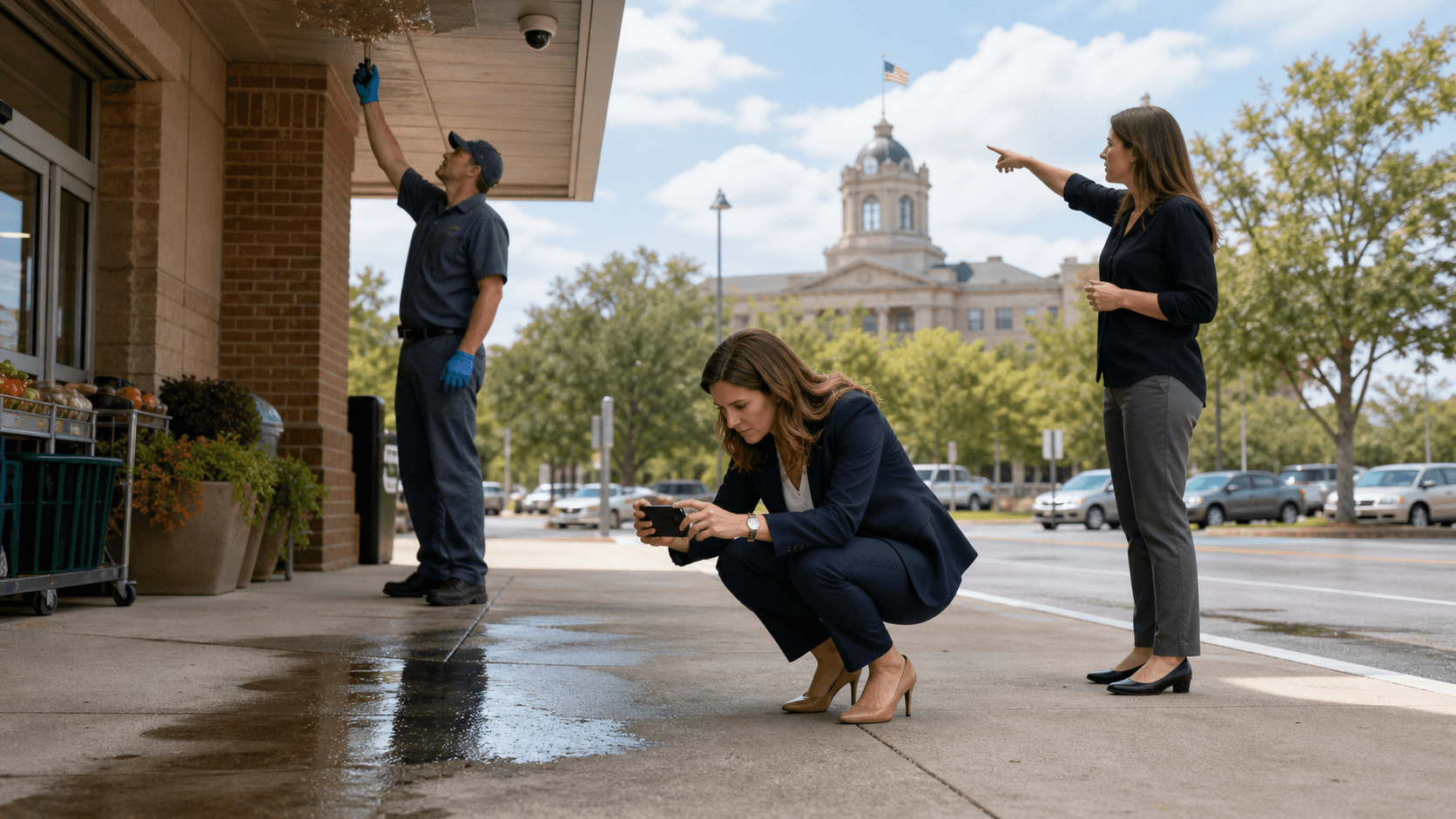
Quick phone photos are powerful, even if they are not perfect. Helpful shots include:
- The hazard itself, like a spill, puddle, loose rug, or broken step
- The wider area around it, such as aisles, doorways, or walkways
- Lighting conditions, including dark corners or blown-out bulbs
- Any warning signs that are present or missing
Even if you did not take photos right away, going back later can still help. A return visit might show that there are no wet floor signs, that mats are worn through, or that concrete is cracked and uneven. In the fall, you might see wet leaves building up where people walk, or poor lighting as it gets dark earlier. These things can show that the danger was not a one-time fluke, but an ongoing problem.
Public weather reports can also be used. For example, if it had rained all day, a property owner should expect slick entrances or pooling water in a parking lot. With time-stamped images and weather data, a Jacksonville attorney can line up your fall with the conditions that made the area unsafe.
Digital Trails From Stores, Apps, and Devices
Many people think, "There was no camera on me, so I cannot prove anything." In reality, digital records often say far more than a single video clip.
Stores and property owners often keep internal records such as:
- Incident reports filled out after a fall
- Maintenance or cleaning logs
- Regular inspection checklists
- Internal emails or messages about known problems
These records can show how long a hazard existed, how often the area was checked, and whether staff ignored complaints. A slip and fall lawyer in Jacksonville, NC can request these documents and, when needed, push for video footage from security systems located inside or outside the property.
Other digital sources can help support your claim too:
- Point-of-sale data can show how busy the store was, which may link to understaffing and missed cleanup
- Staffing schedules can show whether enough employees were assigned to watch high-risk areas
- Wearable devices and phone apps can track steps, heart rate spikes, and GPS location
- Store loyalty apps, delivery apps, and digital receipts can show when you arrived, bought items, or left
This type of proof can confirm where you were, when the fall happened, and how your activity changed afterward.
Medical Details That Tell the Real Story
Medical care is more than treatment; it is a record that connects your injuries to your fall. Waiting days or weeks to see a doctor gives insurance companies room to argue that your pain came from something else.
Prompt visits to urgent care or the ER help draw a clear line between your fall and your symptoms. These records often include:
- Your own description of how you were hurt, like "slipped on wet floor at store"
- The doctor's notes about the way you fell and what body parts took the impact
- X-rays, MRIs, or other imaging that show fractures or soft tissue damage
- Orders for rest, braces, or follow-up care
As you heal, other records keep building your story. Physical therapy notes can show limited range of motion, ongoing pain, or trouble with daily tasks. Work notes from doctors can explain why you had to cut back hours or stay home. Prescriptions for pain medicine or muscle relaxers help show the level of discomfort and need for care.
Many people have preexisting conditions, like old back issues or arthritis. Insurance companies like to use those to argue that the fall did not really hurt you. A Jacksonville slip and fall lawyer can work with your doctors to explain how the fall made those problems worse, even if they were already there.
Witnesses You Never Knew You Had
When people hear "witness," they often think of someone standing right next to them at the moment they slipped. That sort of witness is helpful, but there are other types of witnesses too.
People who did not see you hit the ground can still support your claim. Useful witnesses can include:
- Other customers who saw the spill before or after your fall
- People who complained to staff about a hazard earlier that day
- Neighbors who have noticed poor lighting or broken steps over time
- Delivery drivers who regularly see slick loading areas or puddles that are never cleaned
There are also "before and after" witnesses. These are people who know you well and can explain how your life changed after the fall. That might include:
- Co-workers who saw you miss shifts, change duties, or struggle at work
- Family members who now help you with chores or personal care
- Friends who see you sitting out events you used to enjoy
A slip and fall lawyer in Jacksonville, NC can track down these witnesses, talk with them, and record their memories while details are still fresh.
Act Now to Protect Your Jacksonville Slip and Fall Claim
Time is not your friend after a slip and fall. Hazards get cleaned up or repaired, camera footage gets recorded over, and people forget what they saw. North Carolina's contributory negligence rule and strict deadlines give insurance companies plenty of chances to push back on claims.
Right after a fall, try to:
- Take photos or video of the area, your injuries, and your clothes
- Keep the shoes and clothing you were wearing instead of washing or throwing them away
- Save receipts, medical bills, and work notes related to the injury
- Write down what happened, including what you saw, heard, and felt
At King Law Firm, we know how quickly important proof can disappear. An experienced slip and fall lawyer in Jacksonville, NC can send preservation letters, request records, and gather the less obvious details that help show what really happened. By acting early and building a strong evidence file, you give your claim a better chance of being taken seriously and being fully supported.
Protect Your Rights After a Slip and Fall Injury Today
If you were hurt in a fall, you do not have to handle the medical bills, lost wages, and insurance questions on your own. At King Law Firm, our slip and fall lawyer in Jacksonville, NC can review what happened, explain your options, and pursue the compensation you may deserve. We are ready to listen to your story, gather the evidence, and stand up for you from start to finish. To schedule a free consultation, please contact us today.