Why Proving Fault Matters so Much After a Pedestrian Crash
After a car hits a person walking, everything can change in a second. Medical bills start to pile up, you may be unable to work, and simple daily tasks can turn painful and stressful. In North Carolina, none of these losses are automatically covered. To get compensation, you have to show that the driver, or sometimes another party, was at fault.
Fault matters because it affects things like:
- Payment of medical bills and future treatment
- Replacement of lost wages and loss of earning ability
- Compensation for pain, scarring, and loss of quality of life
- Long-term disability benefits in both personal injury and workers' compensation cases
As days get shorter and there are more evening events and school activities, people walk more in dim light and around busy traffic. That often leads to more crashes and more arguments about who caused them. On top of that, North Carolina has a very harsh rule about shared fault that can make it especially hard for injured pedestrians to recover anything at all.
How North Carolina's Contributory Negligence Rule Hurts Pedestrians
North Carolina follows a rule called contributory negligence. Under this rule, if a pedestrian is found even 1 percent at fault for a crash, they can be completely barred from recovering damages in a personal injury claim. That is true even if a driver was much more careless.
Insurance companies know this, and they often try to shift at least a little blame to the person who was walking. Common arguments they use include:
- The pedestrian crossed outside a crosswalk or against the signal
- The pedestrian was looking at a phone or wearing headphones
- The pedestrian wore dark clothing at dusk and was "hard to see"
- The pedestrian "darted out" between parked cars or into the lane
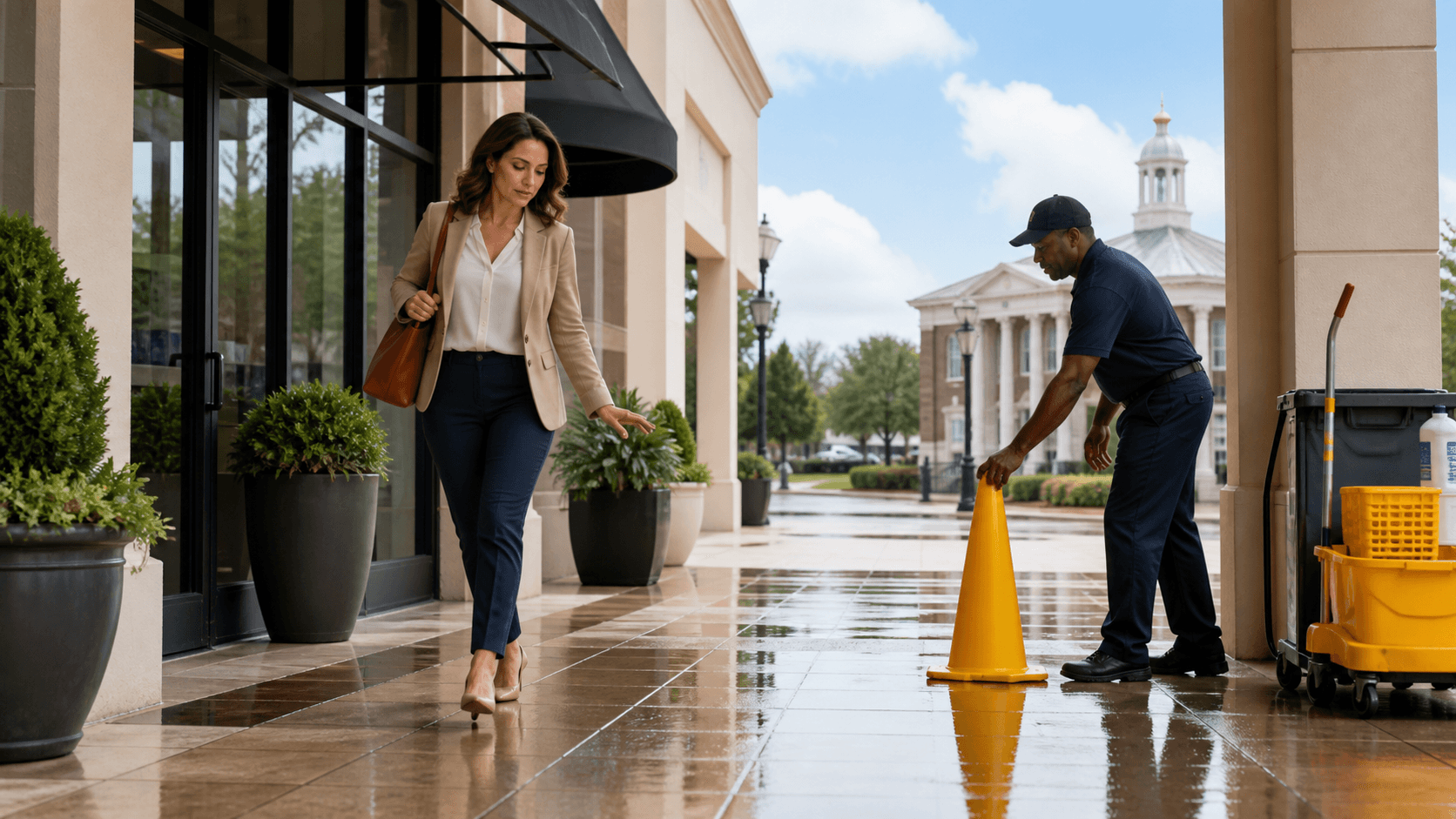
This rule does not only affect people walking for personal reasons. It can also come into play when someone is walking as part of their job. For example, a delivery worker, a construction worker moving between areas of a site, or an employee crossing a parking lot for work can be hit. Workers' compensation is generally not based on fault, but arguments about unsafe behavior may still affect related personal injury claims against a driver or contractor. Sorting out which benefits apply and how contributory negligence might be raised can be tricky.
Evidence Gaps That Make Pedestrian Claims Hard to Prove
Pedestrian accidents happen fast. Often there are no clear witnesses, especially in the early evening or at night when visibility is poor. The injured person may be unconscious, in shock, or simply unable to remember the exact moment of impact. That leaves a big opening for the driver and their insurer to shape the story.
Key evidence can disappear quickly, such as:
- Security, traffic, or doorbell camera footage that is automatically erased
- Skid marks, glass, or plastic pieces that get washed away or swept up
- Road construction or temporary signs that change within days
- Weather, lighting, and foliage that look different even a week later
This is where having a pedestrian accident lawyer in North Carolina can make a big difference. A legal team can move quickly to:
- Send preservation letters to businesses and homeowners for video footage
- Get police reports and clarify errors or missing information
- Visit the scene to take photos, measure distances, and look for visual barriers
- Download vehicle data when available and locate independent witnesses
Acting early helps close those evidence gaps before memories fade and physical proof is gone.
Disputed Liability in Crosswalks, Parking Lots, and Work Zones
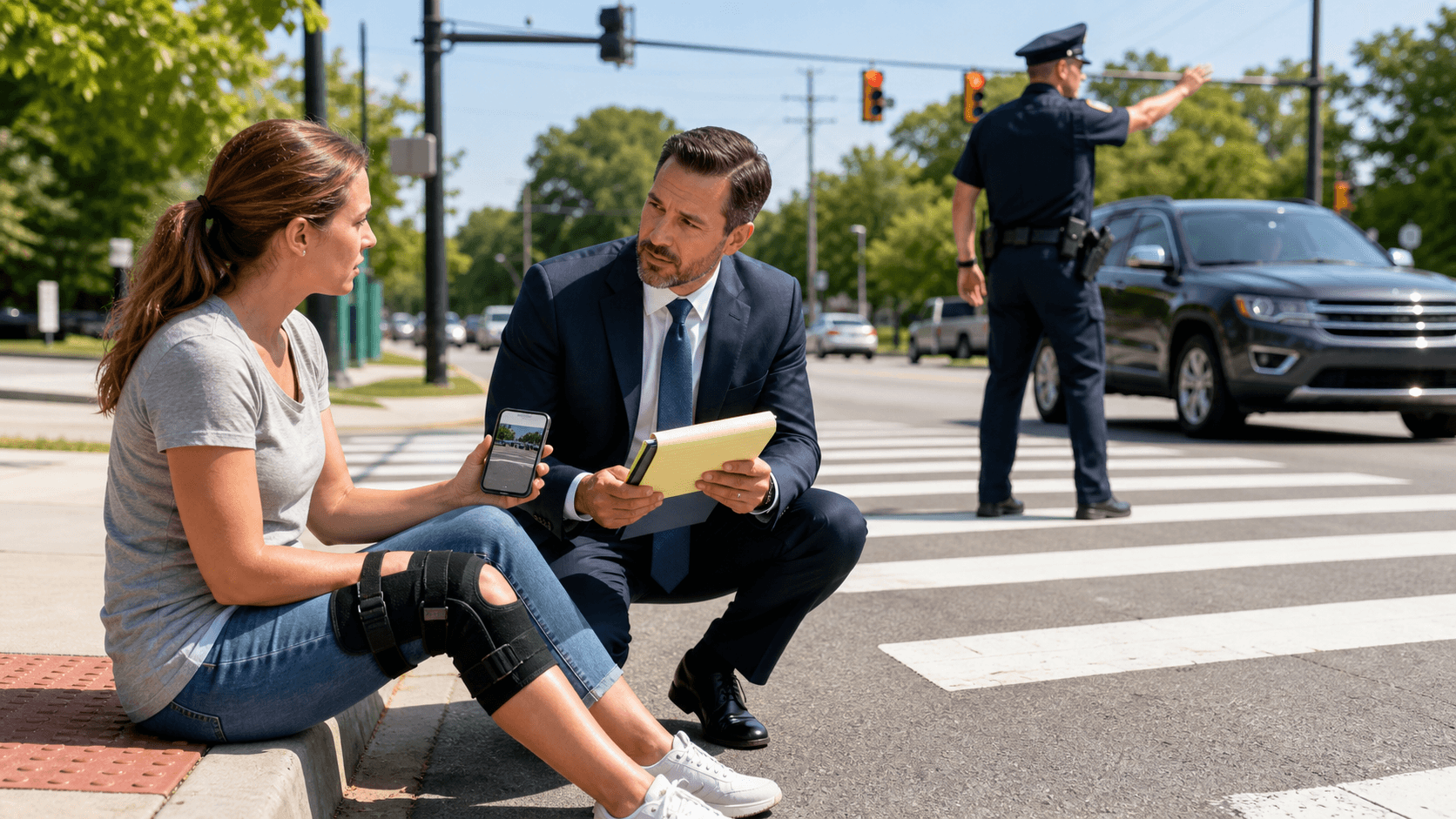
Many pedestrian cases turn into a classic "he said, she said." Drivers often claim the person walking "came out of nowhere" or was not in a marked crosswalk. The injured pedestrian may insist they had the walk signal or had already entered the crosswalk before the light changed. Without clear video or neutral witnesses, insurers try to use this confusion to deny claims.
Things get even more complicated in places like:
- Parking lots and parking garages
- Shopping center loading areas
- Construction zones and roadside work areas
These areas often have:
- Faded or missing markings
- Shared space between cars, trucks, equipment, and people
- Poor lighting at dawn or dusk
- Confusing traffic patterns or temporary detours
Insurers may argue that the pedestrian should have seen the car, stayed in a different lane, or followed a path that was not clearly marked. When the person on foot is also on the job, such as in a warehouse yard or on a road crew, there may be both a workers' compensation claim and a personal injury claim against a driver or contractor. Coordinating these claims is important so one case does not accidentally hurt the other.
Medical, Work, and Insurance Issues That Undercut Your Claim
Even after fault is argued, insurers look for ways to reduce the value of a pedestrian claim. One common tactic is to focus on medical treatment history. If there are delays or breaks in care, they may say the injuries are minor or unrelated to the crash.
Problems that often hurt a claim include:
- Waiting days or weeks to see a doctor after the crash
- Missing follow-up appointments or physical therapy sessions
- Returning to work too soon because of financial pressure
- Gaps in medical records about pain levels and limits
For people hurt while walking as part of their job, there can be extra challenges. An employer might pressure them to downplay the incident or push them back to light duty before they are ready. There may be confusion about how and when to report the injury, what doctor to see, and whether they can get a second opinion if the workers' compensation doctor disagrees with a specialist.
A pedestrian accident lawyer in North Carolina can help organize:
- Complete medical records and clear notes about symptoms
- Statements from treating providers about future care needs
- Documentation of missed work, reduced hours, or job changes
- Evidence of permanent restrictions that affect both personal injury and workers' compensation benefits
This kind of preparation helps show the full impact of the crash on daily life, not just what appears in a brief medical summary.
How King Law Firm Helps Tilt the Scales in Your Favor
At King Law Firm, we understand how hard pedestrian cases can be in North Carolina. We know how quickly insurers try to use contributory negligence to shut down a claim, even when a person on foot is clearly the more vulnerable party. Our job is to push back with facts, details, and expert support.
In many pedestrian cases, we may:
- Work with crash-reconstruction experts to map out speeds, angles, and sight lines
- Review and challenge police reports that assume the pedestrian was at fault
- Track down video, 911 calls, and witness statements that support the injured person's version
- Prepare clear responses to arguments about clothing, phone use, or crossing location
When a pedestrian is hurt while working, we also pay close attention to both the personal injury claim and the workers' compensation claim. Handling them together helps protect access to medical care, wage replacement, and potential third-party recovery at the same time. Our goal is to avoid missteps that could reduce benefits in one case while fighting for recovery in the other.
Pedestrian crashes are stressful, painful, and often confusing. Understanding how fault works in North Carolina, and how quickly evidence and legal issues can shift, is an important first step toward protecting your rights after you have been hurt.
Protect Your Rights After a Pedestrian Accident
If you were hit by a vehicle, you do not have to sort through the medical bills, insurance calls, and lost income on your own. At King Law Firm, our pedestrian accident lawyer in North Carolina can review what happened, explain your options, and begin building a strategy to pursue the compensation you need. We move quickly to gather evidence, speak with witnesses, and handle the insurers so you can focus on healing. Reach out today through our contact page to schedule a free consultation.