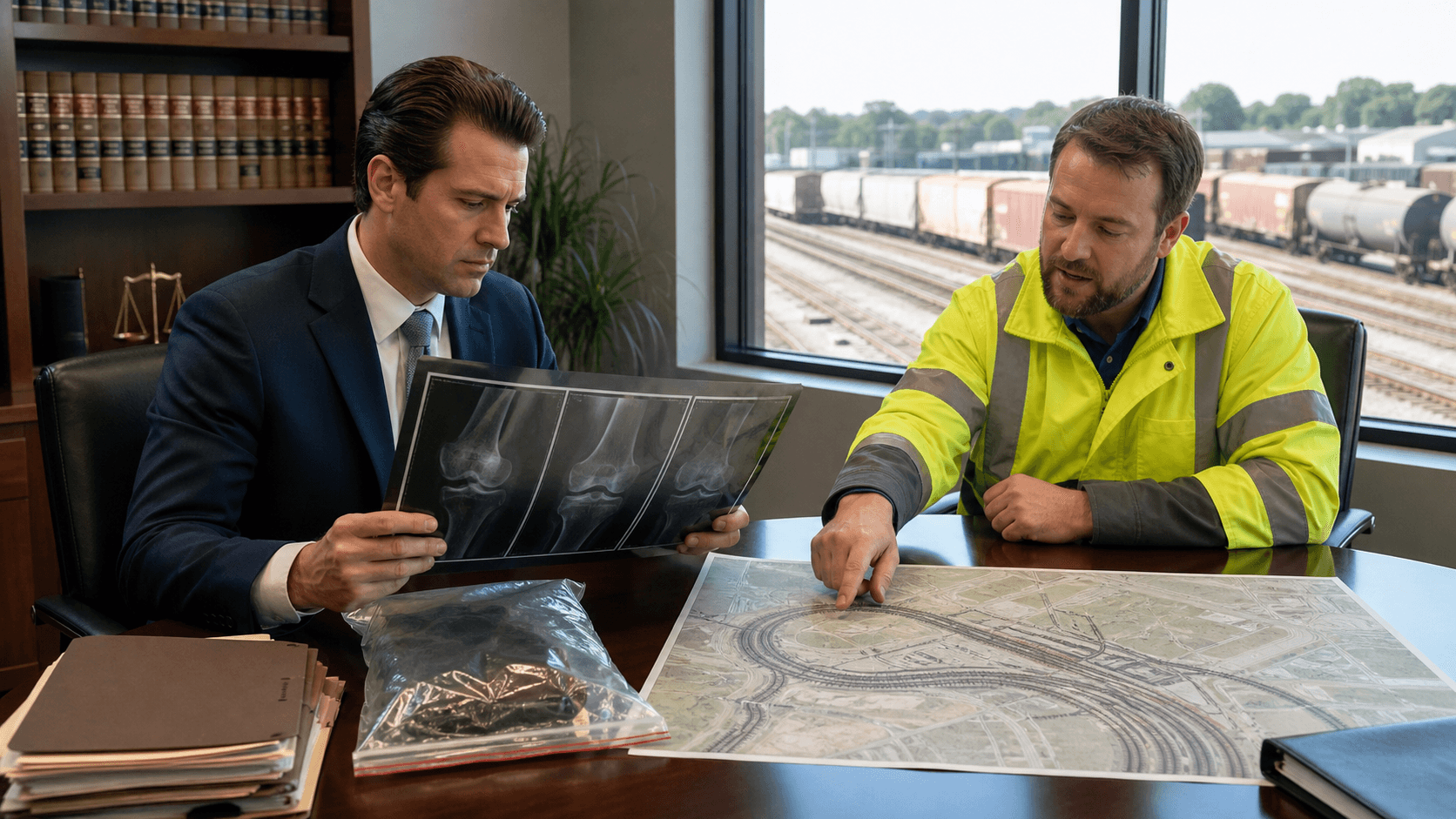
Hidden Costs of Railroad Injuries You Cannot Ignore
Railroad accidents often look simple on the surface. A worker gets jolted in a yard, a passenger is thrown forward when a train brakes hard, or someone near the tracks gets knocked down. At first, they may stand up, say they feel fine, and go home. Weeks or months later, serious back pain, headaches, breathing trouble, or mood changes start to show up. Only then does the real damage from the accident begin to appear.
Railroad incidents are not like simple car crashes. Federal laws can apply, including special rules for railroad workers. The trains and equipment are huge, the forces involved are intense, and the companies behind them are large and well defended. Many injuries show up late or seem small at the start, which makes it easy for rail companies and insurers to argue they are not related to the accident at all. That is where experienced railroad accident lawyers step in, tying those hidden problems back to the incident and helping protect the injured person and their family.
In this article, we explain why railroad accidents often cause delayed injuries, what types of long-term harm are common, how lawyers prove the connection, and what claims people often miss. We also talk about time limits, evidence risks, and how a North Carolina rail injury team can help protect long-term rights after a rail crash or workplace incident.
Why Railroad Accidents Create Delayed Injuries
Railroad work and train travel involve powerful forces. A slow-moving freight car still weighs many tons. A small jolt in a rail yard can throw a worker off balance or twist a spine. A sudden stop on a passenger train can whip the neck, strain the back, or rattle the brain. On the job, years of climbing on uneven surfaces, lifting heavy parts, and working around loud engines can wear the body down until one incident finally pushes it over the edge.
These conditions can lead to injuries that do not always show up right away, such as:
- Mild traumatic brain injuries with headaches, memory problems, or mood changes
- Spinal disc damage that starts as stiffness, then turns into sharp pain or numbness
- Internal organ injuries that first feel like soreness or a "pulled muscle"
- PTSD, anxiety, or sleep trouble after a sudden collision or near miss
- Hearing loss or ringing in the ears after long exposure to loud engines and horns
In the moments after a crash or yard incident, adrenaline and shock can hide symptoms. Many rail workers pride themselves on being tough and not complaining. During busy summer travel seasons or during high-traffic holidays, crews may feel pressure to keep trains moving and not report pain. Passengers may be focused on getting to their destination and tell themselves they will just rest and see if it gets better.
Even trained medical teams in the ER can miss early warning signs. If scans look normal and the patient walks out on their own, subtle brain changes or developing spinal issues may not be obvious. That is why follow-up care with the right specialists and careful documentation of symptoms, even small ones, is so important when there is any chance of a long-term rail injury claim.
How Railroad Accident Lawyers Prove Long-Term Harm
Railroad accident lawyers have a specific role when it comes to long-term injuries, especially for workers covered by the Federal Employers Liability Act, also known as FELA. This federal law lets injured railroad employees seek compensation when the railroad's negligence played a part in causing their injuries. Proving that link, and showing the full impact over time, takes careful, detailed work.
A strong investigation often includes:
- Photos and video of the scene, equipment, and any visible damage
- Maintenance, inspection, and safety records for cars, tracks, and tools
- Internal safety reports and incident logs
- Data from black boxes or event recorders, when available
- Witness statements from coworkers, supervisors, or passengers
We then connect that evidence to medical proof. That can mean working closely with doctors, therapists, and specialists to show how the accident caused or worsened injuries. It can also mean bringing in financial experts to explain:
- Expected costs of future surgeries or long-term treatment
- Lost earning capacity if the person cannot return to rail work
- Limits on physical activity, hobbies, or daily tasks
- The emotional strain on spouses, children, and other family members
Rail companies and insurers often push back. They say the injury was preexisting, minor, or caused by something outside of work. Experienced railroad accident lawyers respond with clear timelines, medical records, and expert opinions that track symptoms from the incident forward. Medical literature and expert testimony can help explain how an injury can start small and grow worse over time, or why a worker might not connect breathing trouble or anxiety to a rail incident right away.
Hidden Claims Many Railroad Victims Overlook
Many rail workers and passengers think only about the obvious, new injury: the broken bone, the cut, or the sprain. But the law can also account for problems that involve older injuries or slow-building harm.
Less obvious claims can include:
- Worsening of an old back or neck problem after a jolt or fall
- Aggravation of arthritis in knees, hips, or hands from repeated heavy work
- Repetitive stress injuries caused by years of unsafe work methods
- Long-term toxic exposure that slowly damages lungs or other organs
Mesothelioma and other occupational diseases sometimes connect back to older rail equipment, asbestos materials, or diesel exhaust. These illnesses can appear many years after the work that caused them. When that happens, it takes careful review of a person's job history, job duties, and medical records to tie the disease back to railroad employment.
Emotional and psychological injuries are also often overlooked. PTSD, sleep problems, or depression after a serious collision or a near miss can be just as limiting as a physical injury. These issues may not show up on an X-ray, but they can make it hard to focus, interact with others, or stay safe on the job.
Railroad accident lawyers look for every possible source of compensation under the law, which may include:
- Past and future wage loss or reduced earning power
- Job retraining or vocational rehabilitation if a new line of work is needed
- Pain and suffering and loss of enjoyment of life
- Support and care needs that affect spouses and children
Time Limits and Evidence Risks in Railroad Cases
Railroad claims do not stay open forever. Under FELA, there is a general three-year statute of limitations. With some long-developing conditions, that clock can start when a worker knew, or reasonably should have known, that a health problem was related to railroad work. That can be a complex question, especially with diseases or delayed injuries.
Waiting too long to involve legal help can create serious risks, such as:
- Lost or recorded-over surveillance footage or camera video
- Discarded or changed safety, maintenance, and inspection records
- Witness memories fading or people changing jobs and becoming hard to find
- Company pressure to sign written statements or accept low, quick settlements
Right after a railroad incident, some helpful steps usually include:
- Reporting the incident in writing to a supervisor or appropriate contact
- Getting prompt medical evaluation, even if pain seems minor
- Following through with all recommended treatment and appointments
- Keeping a simple journal of symptoms, missed work, and daily limits
- Not giving recorded statements to claim adjusters without legal guidance
During periods of heavy rail traffic, such as busy summer months, crews often work long hours and trains run more often. That can raise the chances of mistakes and also make it tempting for workers to push through pain to keep overtime. Doing that can hurt both health and any future claim, because the record may not show how serious the injury really was in the early days.
Protect Your Rights with a North Carolina Rail Injury Team
Anyone involved in a railroad accident, as a worker, commuter, or visitor near the tracks, faces questions that are not always easy to answer alone. Hidden injuries, long-term health problems, and confusing rules about federal and state law can feel overwhelming at a time when a person should be focused on healing. That is why having a team that understands complex accident and occupational disease cases, including serious workplace injuries and conditions like mesothelioma, can make such a difference for North Carolinians.
For an initial meeting with railroad accident lawyers, it helps to bring any incident reports, photos, medical records, and notes about symptoms and missed work. Good questions to ask include what laws might apply, what time limits are involved, what evidence should be preserved, and what the first weeks of an investigation may look like. With the right legal team in place early, injured people and their families can work to protect evidence, understand their options, and make sure that hidden and long-term injuries are fully included in any claim for compensation.
Take Legal Action Now To Protect Your Future
If you were injured in a train or rail-yard incident, our experienced railroad accident lawyers are ready to review your case and explain your options. At King Law Firm, we carefully investigate what happened, deal with the insurance companies, and work to pursue the full compensation you deserve. We invite you to reach out and tell us what happened so we can provide clear guidance about your next steps. To schedule a free consultation, simply contact us today.