A bicycle crash and a car crash can both start with the same problem, a careless driver. Yet the claims that follow can look very different. At King Law Firm, we help injured North Carolinians understand how fault, insurance coverage, evidence, and daily losses may affect a personal injury claim.
Those differences matter even more when a cyclist has little protection from the impact of a vehicle. In autumn, shorter daylight hours, rain, and wet leaves can also create visibility concerns that insurers may try to use against an injured rider.
Fault Rules Can Change the Outcome
Drivers and cyclists both have responsibilities on North Carolina roads. Motorists must watch for bicycles, yield when required, pass safely, and avoid dangerous conduct such as distracted driving, speeding, or impaired driving. Cyclists must follow applicable traffic signals, stop signs, lane rules, and lighting requirements.
The major concern in either type of case is fault. North Carolina follows a strict contributory negligence rule. This means an insurance company or defendant may argue that an injured person cannot recover compensation if they were even slightly responsible for the crash.
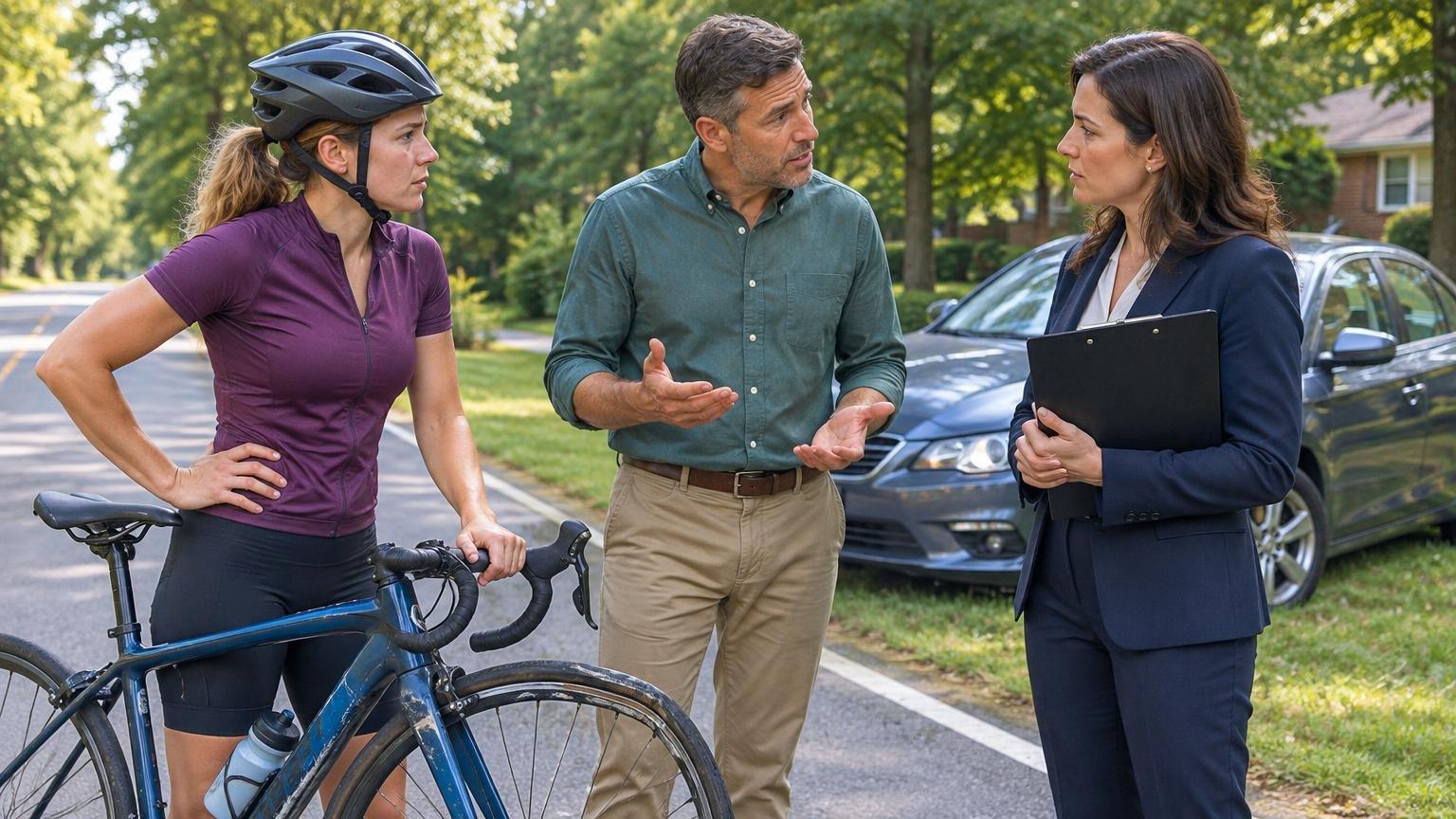
In bicycle cases, we often see insurers focus heavily on the rider's choices. They may claim the cyclist was hard to see, was outside the proper lane, entered traffic unexpectedly, did not signal a turn, or did not have proper lights in low-light conditions. Those claims are not automatically true just because an insurer raises them.
A careful review may show that the driver had the last clear chance to avoid the collision. It may also show that the driver was looking at a phone, failed to check a bike lane before turning, passed too closely, or simply did not keep a proper lookout. A bicycle accident lawyer in North Carolina can examine the facts instead of accepting the first version of events.
Insurance Coverage May Be Less Straightforward
Most car crash claims begin with the at-fault driver's auto insurance policy. A bicycle crash involving a motor vehicle may begin there, too. Still, the available coverage can become more complicated if the driver has limited insurance or no insurance at all.
Depending on the policy language and the circumstances, other sources of coverage may be available. When we evaluate a claim, we may look at options such as:
- The at-fault driver's liability insurance
- Uninsured or underinsured motorist coverage through the rider's household auto policy
- Medical payments coverage
- Health insurance for immediate medical needs
A cyclist may need care long before a liability claim is resolved. Medical bills, rehabilitation, medication, and missed work can add pressure at a difficult time. Car crash claims can create these same concerns, but bicycle claims sometimes require a closer look at every possible policy because a rider's injuries may be severe.
Insurers may also undervalue property damage after a bicycle collision. A claim can include more than the bike itself. The helmet, clothing, lights, cycling computer, phone, and other damaged gear may all be part of the loss.
Strong Evidence Protects the Facts
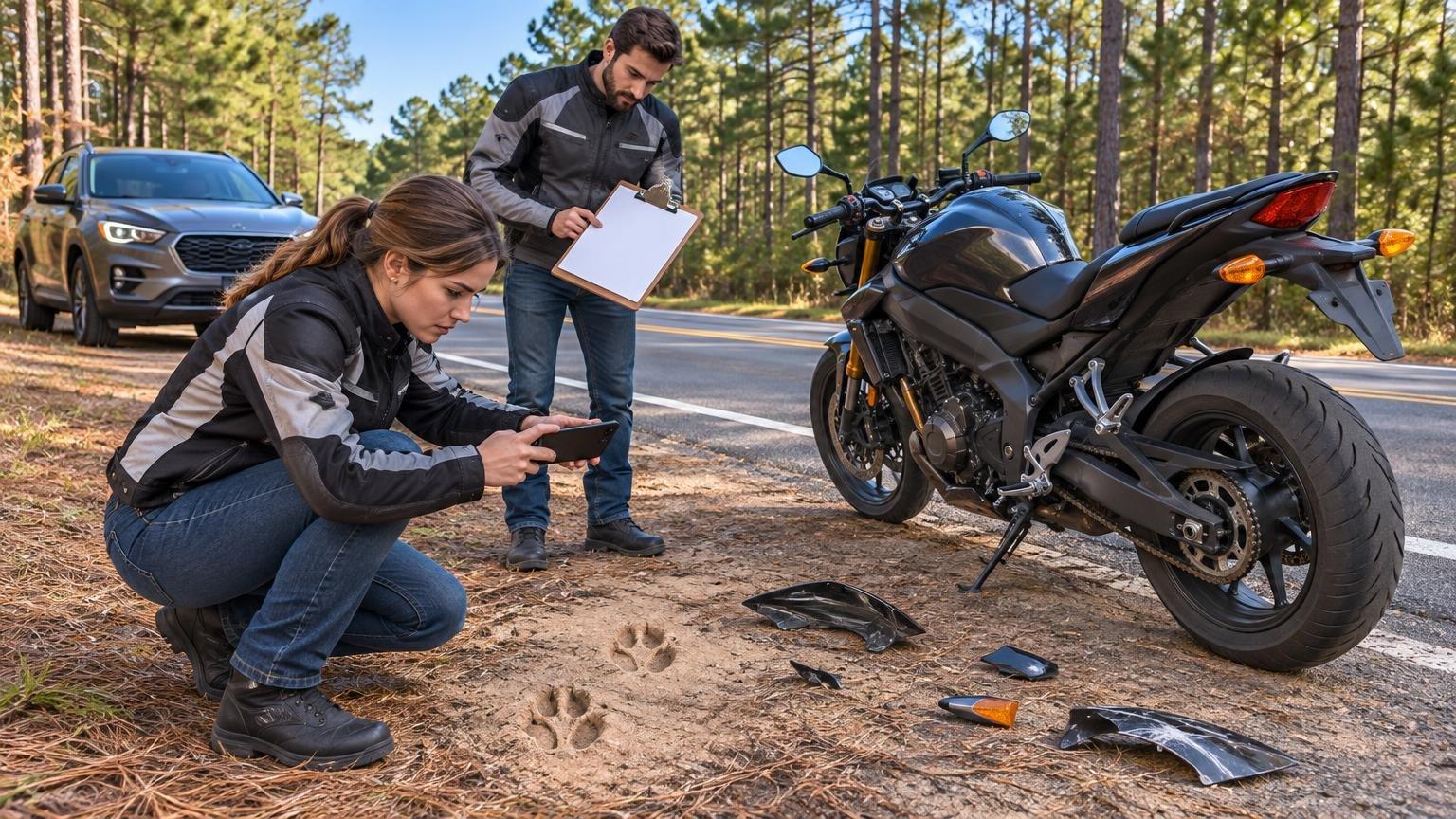
Evidence can disappear quickly after any traffic collision, but it is especially important in a bicycle crash. A damaged bicycle or helmet may help show the force and direction of an impact. Photos of the roadway can also help explain where each person was traveling and what the driver should have been able to see.
During late fall, conditions can change fast. Early darkness, rain, wet leaves, and reduced visibility may become part of the dispute. Those conditions do not excuse careless driving, but they can lead insurers to question whether a cyclist was visible or whether a driver had enough time to react.
We recommend preserving information as soon as possible, including:
- Photos of the bicycle, vehicle, roadway, traffic signs, and signals
- Names and contact information for witnesses
- Police reports and medical records
- Nearby camera footage, dashboard camera recordings, and available cell phone data
- Damaged clothing, helmet, and other equipment
In some cases, accident reconstruction may help clarify speed, point of impact, passing distance, or whether the driver could have avoided the crash. Prompt investigation can also help preserve video before it is overwritten and physical evidence before it is repaired or discarded.
Damages Go Beyond the Emergency Room
Cyclists do not have the metal frame, airbags, and seat belts that protect people inside a vehicle. As a result, a bicycle crash may cause traumatic brain injuries, spinal injuries, fractures, road rash, internal injuries, dental trauma, and permanent scarring.
The full value of a claim is not limited to the first medical bill. We look at how an injury affects your life over time, including the treatment you may need and the activities you can no longer do easily. A serious injury may require surgery, physical therapy, follow-up appointments, mobility assistance, medication, or future care.
Both bicycle and car crash claims may seek compensation for medical care, lost income, reduced earning ability, pain, and other losses. Still, bicycle claims often require a clearer explanation of how the injury changed a person's independence. Someone who once biked to work, cared for children, performed physical job duties, or enjoyed active hobbies may face lasting challenges that do not appear on an emergency room bill.
Records from treating providers, employers, family members, and qualified financial professionals can help show the real effect of an injury. Clear documentation gives the claim a stronger foundation than an insurer's quick assessment of what the loss should be worth.
Protecting Your Rights After a Crash
After a bicycle or vehicle crash, getting medical care and reporting the collision can create an important record of what happened. It is also wise to preserve physical evidence, keep copies of documents, and be cautious about recorded statements before you understand how they may affect your claim.
A bicycle crash is not simply a car crash with a different vehicle involved. The fault arguments, insurance questions, evidence needs, and impact of the injuries may all be different. Taking the situation seriously early can help you protect the information needed to understand your losses and your legal options.
Get Clear Guidance After a Bicycle Crash
At King Law Firm, we can help you evaluate the circumstances of your collision and the compensation that may be available. Speak with a bicycle accident lawyer in North Carolina who understands the issues that can affect these claims. To discuss your situation with our team, contact us for a consultation.