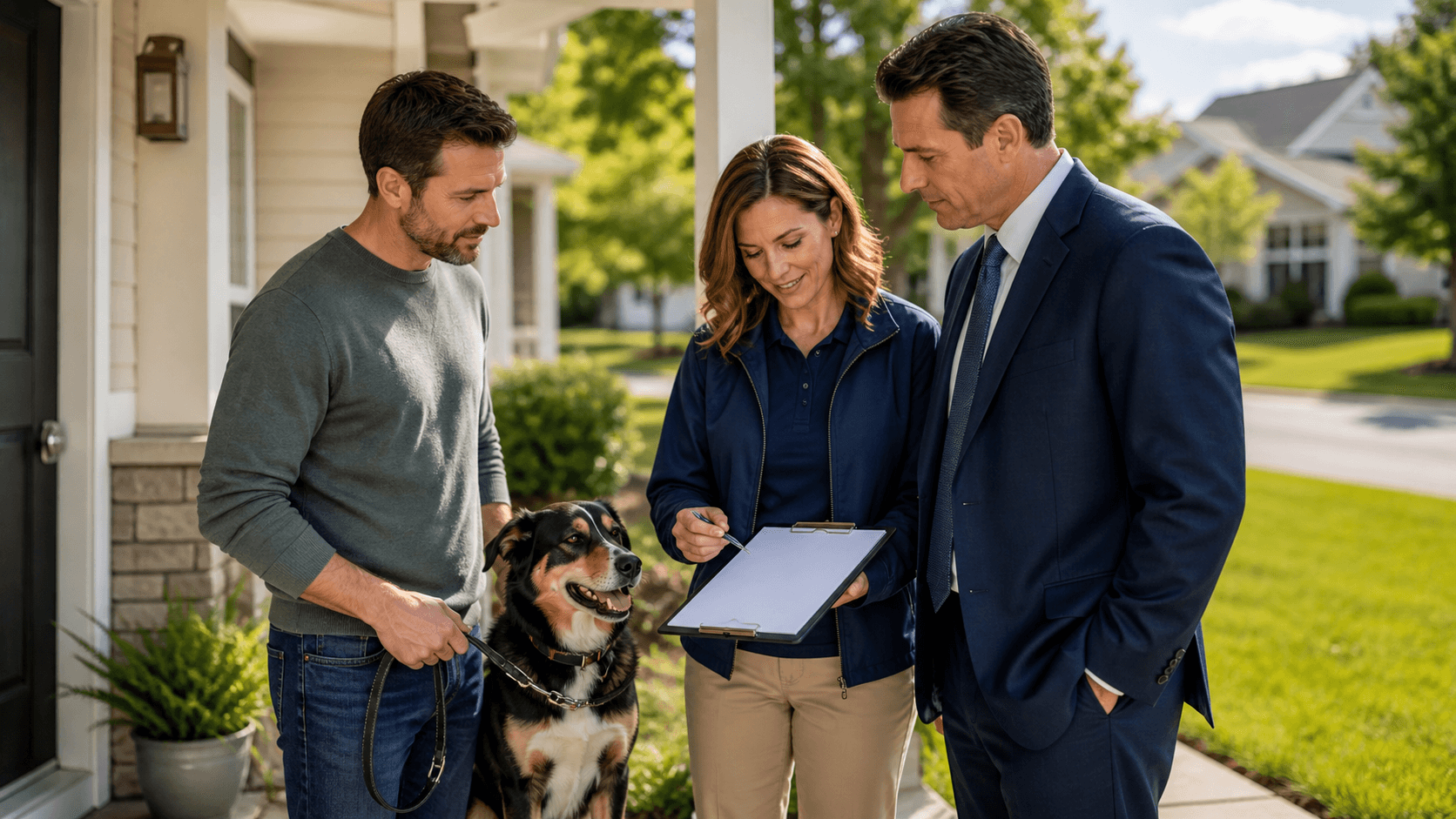
A dog bite can leave you dealing with far more than a painful wound. Medical care, missed work, scarring, fear around animals, and unanswered questions about who will pay can quickly add stress to an already difficult situation. At King Law Firm, we know that many Fayetteville dog bite claims involve homeowners or renters insurance, not simply a dog owner paying expenses out of pocket.
Coverage questions can become especially confusing during the fall and holiday season. Guests may bring dogs to family gatherings, households may be busier than usual, and dogs can react differently to unfamiliar people, delivery activity, or changing routines. Bites can happen at a private home, apartment complex, park, sidewalk, or while you are visiting someone you know. We help injured people understand available insurance coverage, preserve evidence, and handle insurer communications carefully.
How Homeowners Insurance May Apply After a Dog Bite
Many homeowners insurance policies include personal liability coverage. This type of coverage may apply when a policyholder, family member, or someone in the household is legally responsible for injuries caused by a dog. Depending on the facts and policy terms, a claim may involve losses such as medical treatment, lost income, pain, scarring, and future care.
The first questions often involve the dog and the location of the attack. We look closely at who owned, kept, or controlled the dog, as well as where the bite happened. A dog owner may have more than one possible source of coverage, including:
- Homeowners insurance
- Renters insurance
- An umbrella liability policy
- Another policy connected to the person responsible for the dog
Rental property cases can raise added questions. In limited situations, a landlord's insurance may matter if there is evidence the landlord knew about a dangerous dog or failed to address a known risk on the property. Still, every claim depends on its own facts, the available policies, and the conduct of the people involved.
Insurance coverage does not mean an insurer will immediately accept responsibility or offer a fair amount. Adjusters may review the dog's history, the injured person's reason for being on the property, witness statements, photographs, animal control records, and the seriousness of the injury. We generally recommend waiting to make settlement decisions until you understand the full scope of treatment, including wound care, infection concerns, scar treatment, counseling, and follow-up appointments.
Policy Exclusions Can Affect Available Coverage
A homeowners policy may contain exclusions or limits that affect a dog bite claim. Some policies restrict coverage for certain breeds, dogs with a prior bite history, or animals classified as dangerous. Others may provide a lower liability limit for dog-related injuries or question coverage if the dog was not disclosed to the insurer.
An insurer may also ask whether the dog truly belonged to the policyholder, lived at the insured home, or had shown aggressive behavior before. Those details can be harder to sort out when a bite happens during a family visit or gathering. The person responsible for a dog may not be the person who owns the home, and multiple adults may share responsibility for an animal.
We do not treat an insurance denial as the final word. Policy wording matters, and so do the facts behind the incident. A careful review may identify another applicable policy, another person who had control over the dog, or information that challenges the insurer's reading of an exclusion.
North Carolina dog bite cases may involve negligence principles, dangerous-dog laws, local rules, or evidence that an owner failed to use reasonable care. The legal issues are often more detailed than an initial denial letter suggests.
Evidence Can Help Show What Happened
Timely records can make a real difference after a dog bite. Medical documentation can connect the injury to the attack and show how the injury affected your daily life, work, and recovery. We encourage injured people to seek appropriate medical care and keep records related to treatment and expenses.
Helpful evidence may include:
- Photos of wounds, clothing, the dog, and the location
- Names and contact information for witnesses
- Animal control or police reports
- Security camera footage, text messages, and prior complaints about the dog
- Records of missed work, prescriptions, appointments, and out-of-pocket costs
Photos taken as wounds heal can also help document scarring and lasting changes. Evidence can disappear quickly, especially if a property is repaired, video footage is overwritten, or witnesses travel during the holiday season. A dog bite lawyer in Fayetteville, NC can help preserve available evidence and communicate with insurance companies while the facts are still clear.
We also urge caution with social media and insurance adjusters. Detailed online posts, casual comments, and recorded statements can later be taken out of context. In North Carolina, insurers may try to argue that the injured person provoked the dog or contributed to what happened, so it is wise to understand the situation before giving a formal statement.
North Carolina Rules Can Change a Claim
North Carolina follows a contributory negligence rule. In simple terms, an injured person can face serious barriers to recovery if an insurer proves that person contributed to the incident. Insurers may claim someone ignored warnings, entered a restricted area, provoked a dog, or failed to act carefully.
Those arguments are not automatic defenses. We evaluate them based on reliable evidence, not assumptions made by an adjuster. The injured person's reason for being on the property can matter, as can the circumstances leading up to the bite.
Different facts may apply when the injured person was an invited guest, child, neighbor, delivery driver, postal worker, contractor, or person without permission to enter. A child's age, the dog owner's knowledge of past aggression, leash and fencing conditions, and local animal-control rules may all affect the analysis.
Waiting too long can also create problems. Witnesses may be harder to find, records may disappear, and legal deadlines may apply. Promptly reviewing a claim can help identify insurance coverage, document losses, and address defenses before they become harder to challenge.
Protecting Your Rights After a Fayetteville Dog Bite
A dog bite claim is often about more than a disagreement with a pet owner. It can involve homeowners insurance, renters insurance, policy exclusions, medical records, local regulations, and insurer efforts to limit payment. At King Law Firm, we can review the circumstances of an attack, examine possible coverage, and assess potential responsibility for injuries and losses.
An injury should not be minimized because the dog belonged to a friend, neighbor, relative, or holiday host. Focusing on medical care, preserving records, and getting clear information about your rights can help protect your health, financial stability, and ability to pursue fair compensation.
Get Clear Guidance for Your Dog Bite Claim
At King Law Firm, we can help you understand the insurance issues that may affect your case and the options available to you. Speak with a dog bite lawyer in Fayetteville, NC about the circumstances of your injury and the documentation you have gathered. To discuss your situation with our team, contact us for a consultation.