Holiday Shopping Should Not End in a Preventable Injury
Holiday shopping and celebrations bring more products into North Carolina homes, from new toys and kitchen gadgets to decorations, electronics, and travel gear. While most products work as expected, a dangerous defect can turn a gift, meal, or family gathering into a serious injury event.
At King Law Firm, we know that an injury involving a product may be more than a simple accident. When an item is poorly designed, made incorrectly, or sold without clear warnings about hidden dangers, the companies behind it may share responsibility. We encourage injured people to protect their health, preserve the product, and get informed guidance because every claim depends on its own facts, evidence, and parties involved.
Holiday Products That May Create Serious Risks
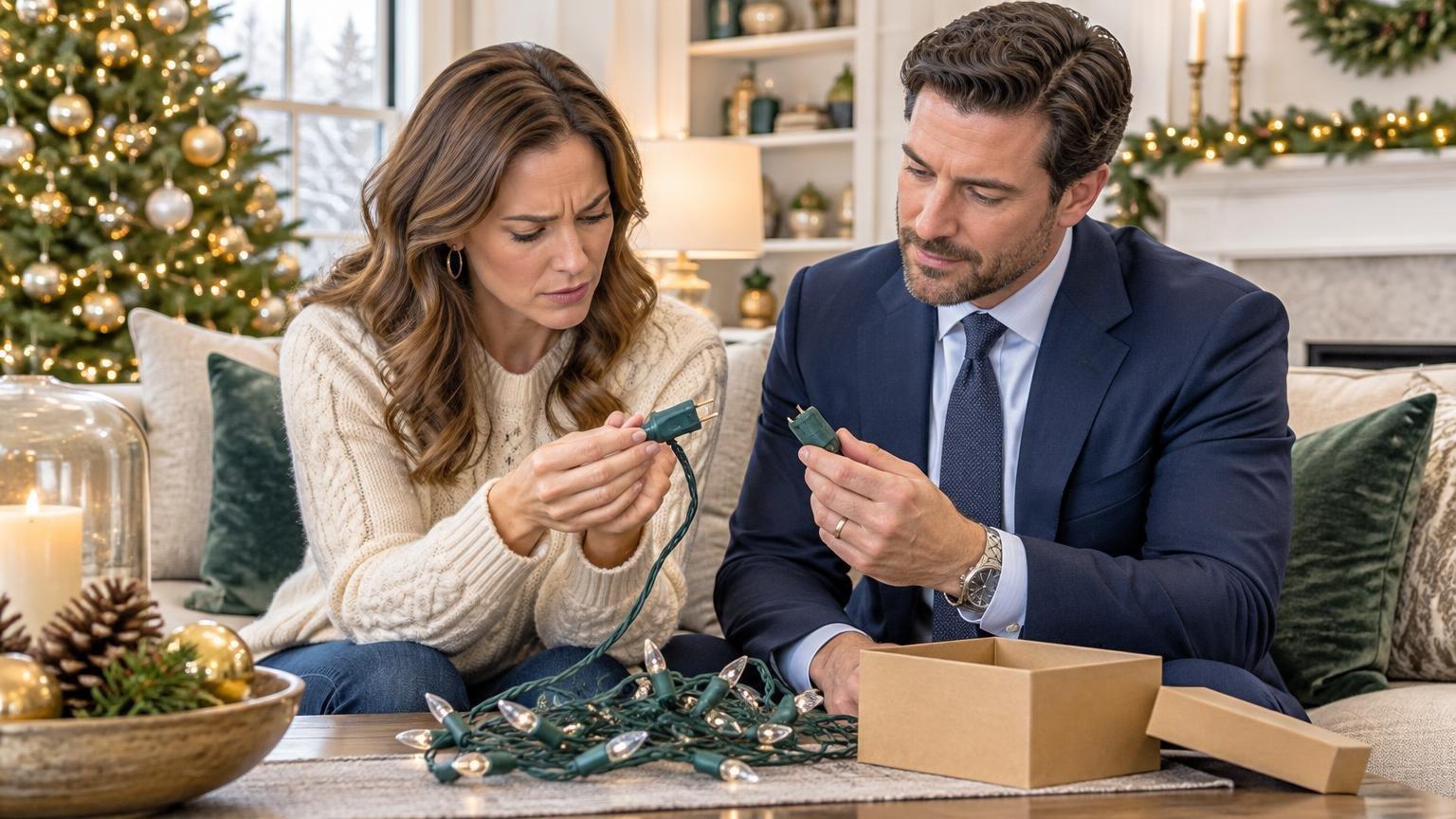
During the weeks leading up to the holidays, many families use products more often than usual. Holiday lights, extension cords, space heaters, electric blankets, candles, power banks, and electronic gifts can create fire and burn risks if their wiring, batteries, chargers, or overheating protections fail.
A label may tell you how to use a product, but a warning does not excuse an item that is inherently unsafe. When a product overheats, sparks, catches fire, or delivers an electric shock during normal or reasonably foreseeable use, the cause deserves a closer look.
Children's gifts can be especially concerning. Young children may not recognize a choking hazard, sharp edge, loose battery compartment, or unsafe material. They also may not be able to explain what happened or describe their symptoms as clearly as an adult could.
Seasonal products that may warrant investigation after an injury include:
- Toys, ride-on vehicles, cribs, and gaming accessories
- Pressure cookers, blenders, air fryers, and coffee makers
- Ladders, artificial trees, holiday décor, and folding chairs
- E-bikes, scooters, hoverboards, exercise equipment, and tools
- Sporting goods, outdoor gear, and other recreational gifts
Product recalls can offer useful information, but a recall is not required for an injury claim. If you suspect a product is dangerous, stop using it and retain it whenever possible. A product that has not been recalled can still have a defect.
How Product Defects and Liability Claims Work
Product-related injuries often fall into three broad defect categories. A manufacturing defect occurs when one item departs from its intended design during production. For example, a batch of holiday lights may contain faulty insulation even though the design itself was meant to be safe.
A design defect involves a danger built into the product as designed. An unstable ladder, a toy that tips too easily, or a battery product without adequate heat protection may present risks across many units. Warning defects happen when a company fails to provide suitable instructions or warnings about risks that are not obvious to an ordinary user.
North Carolina product liability claims are fact-specific. Depending on the situation, a claim may involve negligence, breach of warranty, failure to warn, or other legal theories. North Carolina does not apply strict liability in the same manner as many states, which makes a careful investigation particularly important.
The retailer may not be the only business involved. Responsibility may rest with one or more parties in the chain of distribution, including:
- The product manufacturer
- A maker of a defective component part
- A distributor or wholesaler
- A retailer that sold the item
- A party that improperly modified, assembled, or repaired it
As a product liability lawyer in North Carolina, we can examine where the product came from, how it reached you, whether similar complaints existed, and whether a defect contributed to the injury. That work can help prevent insurers or companies from placing blame in the wrong place.
Evidence Can Make a Meaningful Difference
The product itself may be among the most important pieces of evidence after a suspected defect causes harm. We recommend that you do not throw it away, repair it, return it to the store, or let someone alter it before you receive legal guidance. Packaging, manuals, charging cords, batteries, and damaged parts may matter as much as the item itself.
When it is safe to do so, document the scene before cleanup or repairs change it. Photos and videos may show the product's condition, damage to your home or property, labels, serial numbers, instructions, and the area where the incident occurred.
Records connected to the purchase can also help establish what happened. Keep receipts, online order confirmations, warranty documents, credit card statements, recall notices, and communications with the seller or manufacturer. Names and contact information for witnesses may also be helpful if someone saw the product fail or saw the injury occur.
Prompt medical care matters for your well-being and can create records that document the injury, treatment, and effects on your daily life. Follow the recommendations of your medical providers, and keep copies of bills and other records related to the incident.
North Carolina Rules and Common Holiday Injury Scenarios
North Carolina law generally gives injured people a limited period to file a lawsuit, although the deadline may depend on the type of claim and the circumstances. Waiting can make matters harder even before a deadline passes because products get discarded, witnesses become difficult to locate, and companies may dispute what occurred.
The state also follows a contributory negligence rule. In some circumstances, an injured person's own negligence may affect the ability to recover compensation. Product manufacturers and insurers may try to shift blame, so we urge you to be careful about recorded statements or accepting fault before the facts have been reviewed.
Damages in a successful claim may include medical expenses, lost income, reduced earning ability, pain and suffering, scarring, disability, property damage, and other losses. When a defective product causes a fatal injury, surviving family members may have a wrongful death claim.
Holiday incidents can take many forms. A defective light strand may overheat and start a house fire. An investigation might examine the wire insulation, battery parts, design, instructions, prior complaints, retailer records, and any recall history. A child hurt by a toy with a loose part, sharp edge, or unstable design may raise questions about whether the manufacturer considered the foreseeable ways children handle, drop, chew, or play with the item.
Frequent holiday cooking can also expose hidden appliance problems. A pressure cooker that opens unexpectedly, a blender with malfunctioning blades, an air fryer that catches fire, or a coffee maker that causes burns may all need careful review. The same is true for injuries involving defective scooters, hoverboards, tools, exercise equipment, and outdoor gifts, where a defect, poor warning, improper assembly, or another party's negligence may be involved.
Protecting Your Family After a Defective Product Injury
After a suspected defective product injury, focus first on getting appropriate medical attention and stopping use of the product. Preserve the item and packaging, document what happened, and avoid discarding evidence that may later explain why the product failed.
Discounted items, unfamiliar brands, online marketplace purchases, electronic devices, and children's gifts all deserve thoughtful attention during the holiday season. Recall checks and safety information can reduce some risks, but consumers should not have to bear the consequences when a company puts an unsafe product into their homes.
Protect Your Rights After A Defective Product Injury
King Law Firm can help you understand your options and pursue accountability after an injury caused by a dangerous holiday product. Speak with a product liability lawyer in North Carolina about preserving evidence, identifying responsible parties, and seeking compensation for your losses. Contact us to discuss your situation with our team.